Marine wildlife and stakeholders on the Alabama coast
M.S. research at Auburn — compliance, engagement, and marine species protection
At a glance
- Question
- How do anglers, charter crews, shrimpers, and coastal residents interact with dolphins and sea turtles, and what shapes their support for conservation rules?
- Where
- Mobile Bay and the Alabama Gulf Coast
- Approach
- Mixed-methods social science: large-scale surveys and in-depth interviews co-designed with state and federal managers, analyzed with statistical models
- Data
- 1,200+ survey responses and 60+ interviews with anglers, charter and tour operators, shrimpers, and coastal residents
- Collaborators
- NOAA, Alabama Department of Conservation and Natural Resources, Auburn University
- Status
- Complete; three papers published, one in review
During my M.S. in Natural Resources at Auburn University, I led a suite of applied social science research projects focused on marine species conservation along Alabama’s Gulf Coast. In collaboration with NOAA, state agencies, and local partners, I designed and implemented large-scale surveys and stakeholder interviews to explore human–wildlife interactions and public engagement with conservation policy.


My research examined topics such as compliance with the Marine Mammal Protection Act, support for sea turtle-safe fishing practices, and community awareness of beach lighting regulations. We analyzed over 1,200 survey responses and conducted 60+ in-depth interviews with anglers, tour operators, and coastal residents to generate actionable insights for improving conservation outcomes and regulatory communication.
This work formed my M.S. thesis, Conservation Compliance and Public Awareness: Assessing Dolphin and Sea Turtle Interactions in Coastal Alabama, and produced three publications (with one more in review) and contributed to the evidence base for sustainable wildlife tourism and marine policy in the Gulf of Mexico.
Key findings
- Anglers: residency, fishing motivations, and ecological knowledge shape whether recreational anglers will switch to sea turtle-friendly hooks and bait, so outreach should be tailored to each fishery (Henry et al., 2025).
- Charter fishing: dolphin interactions with charter gear are common and sea turtle interactions rare, while awareness of how to report stranded or injured wildlife is low (Olivas et al., 2026).
- Shrimping: dolphins increasingly raid nets and scavenge bycatch, while turtle excluder devices have made conflicts with sea turtles rare (Dunning et al., 2026).
Presentations
- Eight conference talks from this work (2023–2024), including Best Graduate Student Oral Presentation at the 27th Biennial CERF Conference (2023) and the 75th Atlantic Estuarine Research Society Conference (2024), plus a poster at the Restore America’s Estuaries Summit (2024). See all talks and posters.
References
2026
- HDW
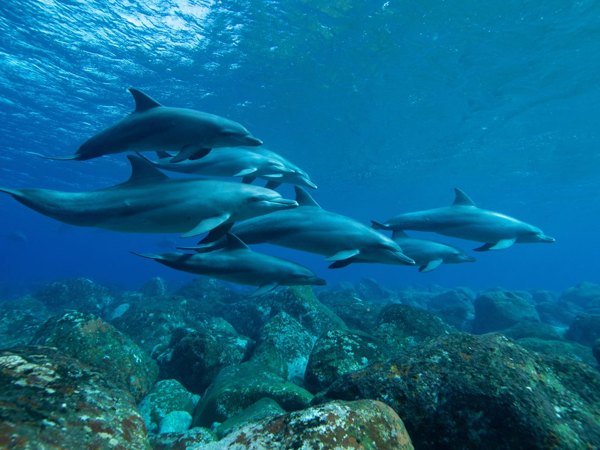 Assessing marine wildlife interactions with the charter boat fishing industry on Alabama’s Gulf Coast, USAAlabama charter crews often encounter dolphins at their gear but rarely sea turtles, and awareness of how to report stranded or injured wildlife is low.Human Dimensions of Wildlife, 2026
- FR
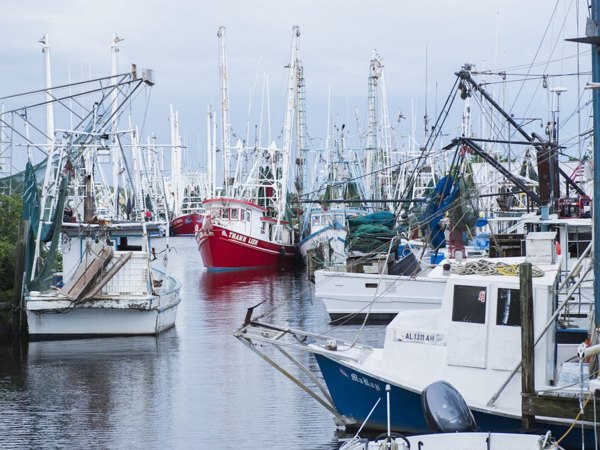 An analysis of the marine wildlife interactions with the commercial shrimping industry on the Alabama Gulf CoastInterviews with Alabama shrimpers show dolphins increasingly raiding nets and scavenging bycatch, while turtle excluder devices have made conflicts with sea turtles rare.Fisheries Research, 2026
2025
- FME
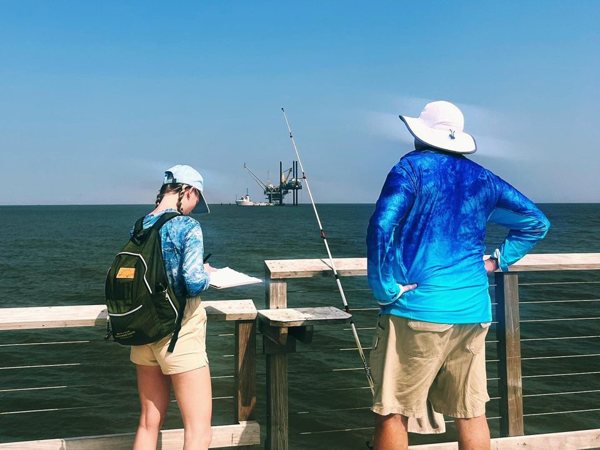 Willingness of Recreational Anglers to Modify Hook and Bait Choices for Sea Turtle Conservation in Mobile Bay, Alabama, Gulf of MexicoResidency, fishing motivations, and ecological knowledge shape whether recreational anglers will switch to sea turtle-friendly hooks and bait.Fisheries Management and Ecology, 2025